Art Trends Interior Design 2026: What's Shaping Homes
The defining art trends in interior design for 2026 are tactile, expressive, and deeply human. Stark minimalism is giving way to layered interiors where handmade textures and visible brushstrokes add warmth and emotional weight. Homeowners and designers are choosing art that tells a story, not just fills a wall. This shift toward personal, craft-driven aesthetics marks one of the most significant turns in home decor trends in years. If you want your space to feel alive in 2026, the art you choose is the place to start.
1. What are the key art trends in interior design for 2026?
The dominant shift in 2026 interior design is away from cold, digital perfection and toward tactile, organic artworks that engage the senses. Woven textiles, mixed-media canvases, and brushstroke-rich paintings are the defining mediums this year. Each of these styles adds visual depth that a flat print simply cannot replicate. The trend reflects a broader cultural appetite for authenticity in a world saturated with AI-generated imagery.
Handmade art communicates something a digital file cannot. The slight irregularity of a woven edge or the raised texture of a palette knife stroke signals human effort. That signal matters to viewers on a psychological level, making spaces feel curated rather than assembled. Designers who understand this are specifying tactile works as the first purchase in any room scheme.
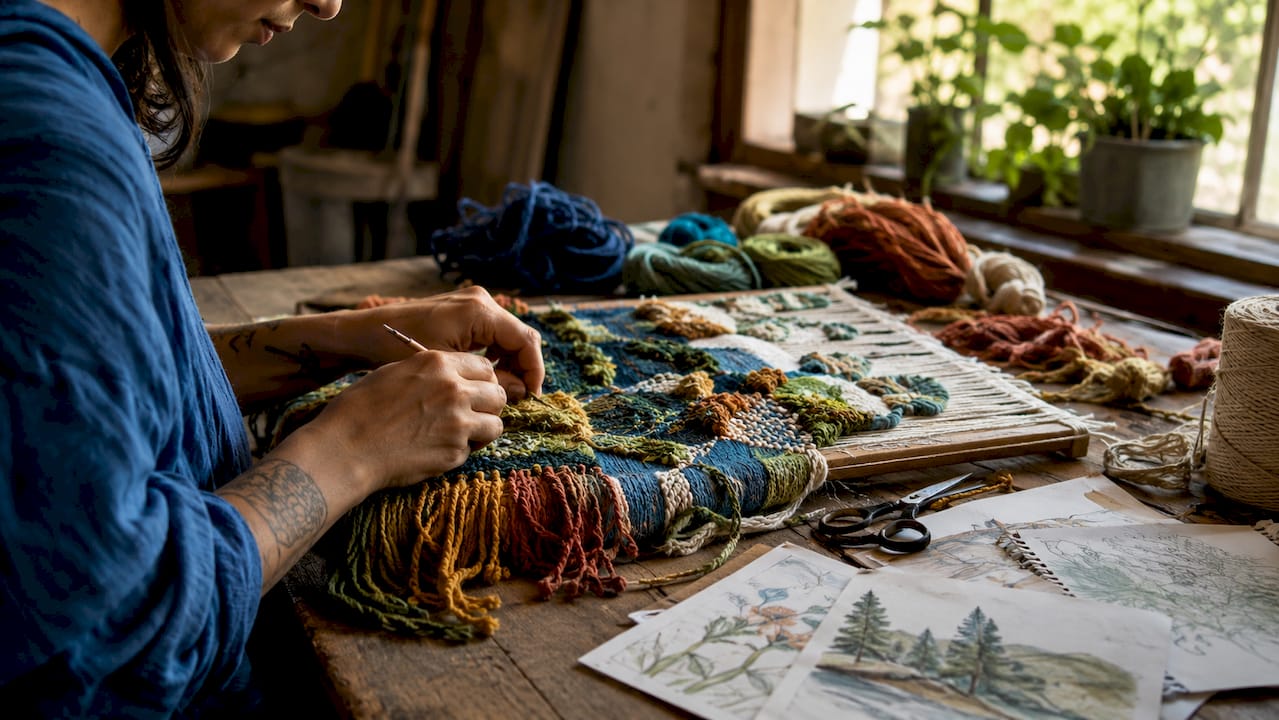
Pro Tip: When shopping for wall art, run a finger across the image in your mind. If you can imagine the texture, the piece will add dimension. If it reads as flat, it probably will.
Popular handmade art mediums for walls in 2026:
- Woven and macramé fiber art panels
- Mixed-media canvases combining paint, paper, and fabric
- Oil and acrylic works with heavy impasto technique
- Lino and woodblock prints with visible ink texture
- Ceramic wall sculptures and relief tiles
2. How are contemporary landscape paintings evolving in 2026?
Contemporary landscape art in 2026 has moved far from photorealistic depictions of scenery. Loose, atmospheric, abstracted styles now prioritize emotional resonance over literal representation. A painting might suggest a coastline through three horizontal bands of color rather than rendering every wave. That restraint gives the viewer room to project their own feeling onto the work.
This approach makes landscape art one of the most useful tools for setting a room’s mood. A canvas dominated by dusty sage and warm ochre will pull those tones into your furniture choices, rug selection, and even lighting decisions. The painting becomes the room’s color brief. Designers often pin a landscape they love before specifying a single fabric.
Choosing landscapes for thematic consistency:
- Match the painting’s dominant hue to your planned wall color or a key upholstery fabric
- Select abstraction level based on room energy: looser strokes for relaxed spaces, tighter compositions for focused rooms like studies
- Consider scale carefully. A small atmospheric piece reads as intimate; a large canvas commands the room
- Pair warm-toned landscapes with natural wood and linen to reinforce an organic scheme
Pro Tip: Buy a landscape print and live with it propped against the wall for a week before hanging it. You will quickly learn whether its palette works with your existing light.
3. Why are bold floral artworks central to 2026 interiors?
Expressive floral art has replaced the traditional botanical study as the dominant plant-based art style in homes. Oversized, painterly floral pieces now serve as anchors to entire interior color schemes rather than decorative afterthoughts. Designer Nicole Salvesen notes that floral artworks are effective tools for shaping fabric and upholstery choices, since a single canvas can contain six or more colors to draw from. That makes them extraordinarily practical for designers building a cohesive scheme.
The contrast with traditional botanical art is significant. A Victorian botanical print is precise, contained, and informational. A 2026 expressive floral is loose, joyful, and emotionally charged. It fills a wall with energy rather than information. That shift in purpose changes how you use the piece in a room.
Key characteristics of popular floral art in 2026:
- Large scale, often 40 inches or wider
- Loose, gestural brushwork with visible paint movement
- Unexpected color combinations: burnt orange with cobalt, dusty pink with forest green
- Backgrounds that bleed into the subject rather than framing it
- Multiple color notes that can be extracted for soft furnishings
You can also create your own expressive floral piece through paint-by-number kits designed for home decor, which produce genuinely painterly results that fit this trend.
4. What is post-digital grain and why does it matter in 2026?
Post-digital grain is the deliberate use of film grain, halftones, and micro-dithering in visual art to signal human craftsmanship. Design studios in 2026 are rejecting photorealism in favor of these intentional imperfections, and the results show a measurable impact on viewer engagement. Visuals featuring intentional human-crafted texture produce a 30% increase in user interaction compared to pristine digital images. That number reflects a real psychological need, not just an aesthetic preference.
The reason is straightforward. When every screen and advertisement delivers flawless digital imagery, a piece of art with visible grain or a slightly uneven halftone pattern stands out as real. Designer Julian Hayes recommends embracing intentional imperfection to add cognitive comfort in a digitally saturated environment. The post-digital grain aesthetic gives viewers something to rest their eyes on.
| Feature | Digital perfection | Post-digital grain |
|---|---|---|
| Visual texture | Smooth, uniform | Grain, halftone, or dither |
| Emotional impact | Polished but cold | Warm and human |
| Viewer engagement | Lower in saturated contexts | 30% higher interaction |
| Interior fit | Sterile or corporate spaces | Residential, creative, and warm spaces |
| Signal to viewer | Efficiency and precision | Craft and authenticity |
Pro Tip: When selecting prints or digital art for your walls, look for pieces where the artist has deliberately introduced grain or texture into the file. That choice signals intentionality, and it will age far better than a crisp, clean render.
5. How are gallery walls evolving in 2026?
The gallery wall of 2026 looks nothing like the eclectic mix-and-match arrangements that dominated the previous decade. Curated, tonal, or thematic collections using smaller-scale works now create intimacy and layered depth. The goal is for the wall to function like an installation rather than a mood board. Coherence is the new creativity.
Color-drenched rooms in 2026 favor tonal, monochromatic art groupings that reinforce the room’s palette rather than fight it. A collection of soft blue and gray studies on a deep navy wall creates a sophisticated, immersive effect. Contrast for its own sake feels dated. Harmony is the signal of a considered eye.
Tips for building a modern gallery wall in 2026:
- Choose a single theme or color family before selecting any individual piece
- Use smaller works, studies, and sketches rather than one large statement piece
- Vary frame finishes within a narrow range: natural wood, black, and raw metal work together
- Leave breathing room between frames. Tight grids feel formal; slight irregularity feels collected
- Include at least one tactile piece, such as a small textile or relief print, to add dimension
6. How does the Simultanism movement influence 2026 interiors?
Simultanism is a 20th-century art movement built on overlapping shapes and contrasting hues that create visual tension and energy. Designer Dvira Ovadia highlights how integrating Simultanism into interior art choices brings expressive emotional energy and individuality to a space. The movement’s abstraction prevents interiors from looking formulaic. A single Simultanism-influenced canvas can make a neutral room feel dynamic without requiring any other changes.
The practical application is simpler than the art history suggests. Look for abstract works featuring overlapping geometric forms in contrasting colors: warm against cool, light against dark. These pieces work especially well in living rooms and dining rooms where social energy is the goal. They are less suited to bedrooms, where the visual tension can feel restless rather than stimulating.
Key Takeaways
The strongest art choices for 2026 interiors combine tactile human craftsmanship, expressive color, and thematic curation to create spaces that feel personal and alive.
| Point | Details |
|---|---|
| Tactile art leads the trend | Woven, mixed-media, and impasto works add warmth that flat prints cannot replicate. |
| Landscapes set color schemes | Choose abstracted landscapes first, then build your room palette from their dominant hues. |
| Florals anchor entire schemes | Oversized expressive florals contain multiple colors useful for fabric and upholstery choices. |
| Post-digital grain signals craft | Intentional texture and grain increase viewer engagement and signal human authenticity. |
| Gallery walls need a theme | Curated, tonal collections of smaller works create more impact than eclectic arrangements. |
What I have learned from watching these trends up close
The homeowners and designers who get 2026 right are not the ones chasing every trend. They are the ones who pick one or two of these directions and commit to them fully. A room with a single large expressive floral and a tonal gallery wall built around its palette will always outperform a room that tries to include tactile art, Simultanism, post-digital grain, and a landscape all at once.
The most underrated advice I can offer is this: buy art that makes you feel something before you think about whether it fits. The emotional response comes first. The practical fit, the scale, the color match, all of that can be solved. What cannot be solved is a room full of art that leaves you cold.
Sustainability is also entering this conversation in a real way. Choosing original works, limited edition prints, and handmade pieces over mass-produced decor is not just an aesthetic choice. It is a purchasing decision with a longer lifespan, both physically and emotionally. Art you love does not get replaced in the next refresh cycle.
The one thing I would push back on is the idea that post-digital grain and intentional imperfection are a passing moment. The psychological need for human-made visual texture is not going away as AI imagery becomes more prevalent. If anything, the appetite for craft will grow. Invest in pieces that look made, not generated.
— Sense
Sensecanvas and the art of dressing your walls for 2026
Sensecanvas carries over 15,000 canvas wall art pieces, and a meaningful portion of that catalog maps directly onto the trends defining 2026. From abstract and expressive canvases to bold, color-rich statement pieces, the range covers tactile-feeling prints, atmospheric works, and vivid compositions that anchor a room’s palette.
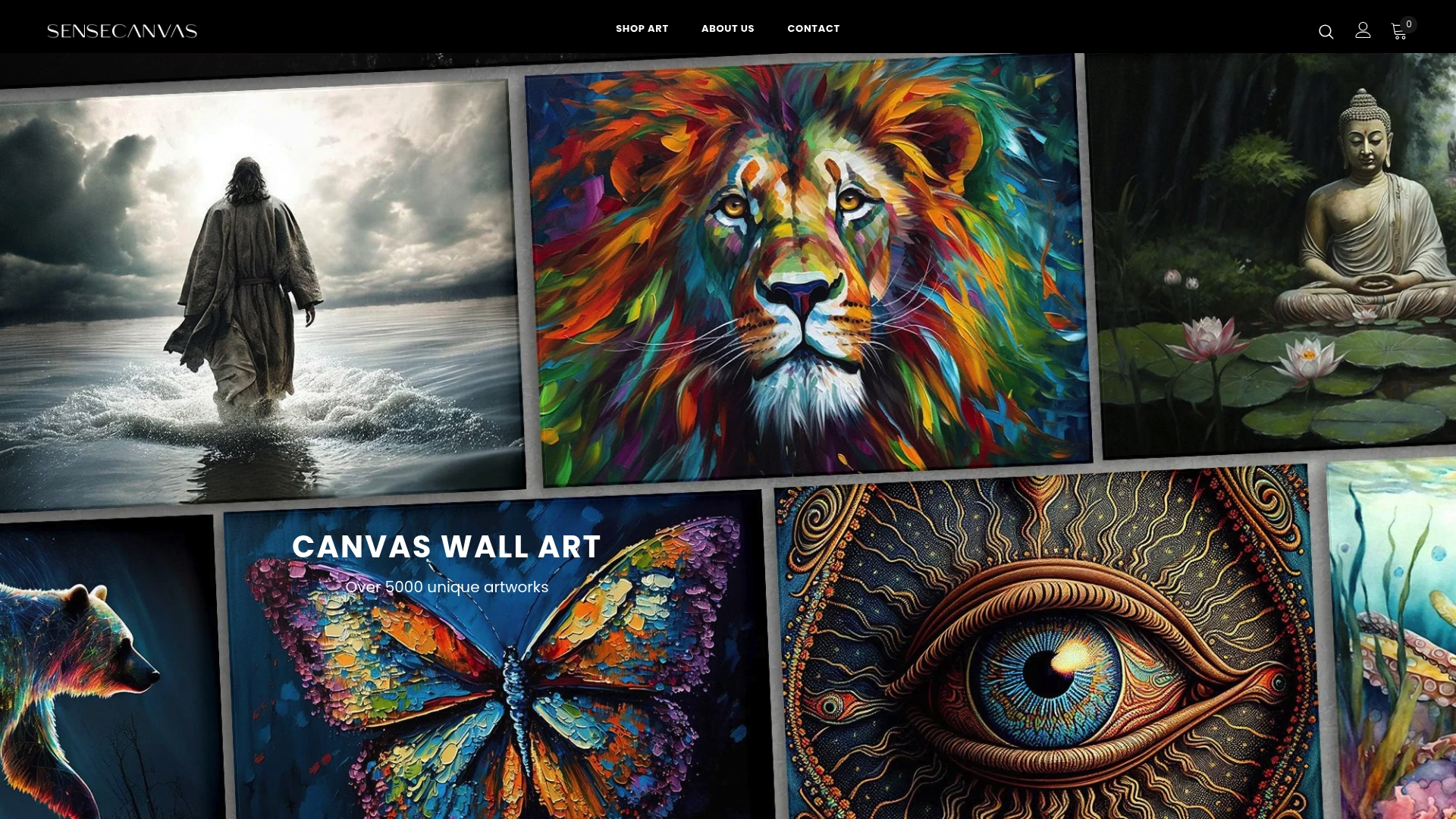
Prices start at $85, and every piece can be customized to fit your specific wall dimensions. That matters when you are building a gallery wall or sourcing a large-scale floral anchor. Browse the full canvas wall art collection at Sensecanvas to find pieces that match the emerging art styles shaping homes this year.
FAQ
What are the biggest art trends in interior design for 2026?
The leading trends are tactile and handmade art, expressive florals, abstracted landscapes, post-digital grain aesthetics, and curated tonal gallery walls. Each prioritizes human craftsmanship and emotional resonance over digital perfection.
What colors are trending in interior art for 2026?
Warm, earthy tones dominate, including dusty sage, ochre, and terracotta, alongside unexpected pairings like cobalt with burnt orange. Tonal, monochromatic groupings that reinforce a room’s existing palette are especially popular.
How do I build a gallery wall in 2026?
Choose a single color family or theme first, then select smaller-scale works that fit within it. Vary frame finishes slightly, leave breathing room between pieces, and include at least one tactile work for dimension.
What is post-digital grain in art?
Post-digital grain refers to deliberate visual imperfections such as film grain, halftones, and visible texture added to art to signal human craftsmanship. Research shows these features increase viewer engagement compared to flawless digital imagery.
How do expressive florals work in interior design?
Oversized, painterly floral canvases serve as color anchors for an entire room scheme. Designers extract multiple hues from a single floral piece to inform fabric, upholstery, and accessory choices throughout the space.