Which Prints of Trees Are Worth Buying for Your Walls?
If you want a reliable tree print that actually holds up on your wall, start with three options: a large photographic canvas for mood and atmosphere, a giclée botanical print for detail-driven precision, or a framed vintage botanical set for classic room styles. Canvas wears well and hides glare. Giclée prints from botanical illustration hold fine linework better than standard inkjet. Vintage sets bring warmth to traditional spaces without costing what an original would.
Pro Tip: Before buying anything, confirm four things: exact size against your wall, the print method (giclée versus standard inkjet), a size mockup on the actual product page, and the seller’s return window.
- Photographic canvas: best for statement pieces and immersive color
- Giclée botanical: best for detail lovers and gallery walls
- Framed vintage botanical: best for traditional or eclectic rooms
- Always check: size, print method, mockup image, return policy
Retail galleries typically sell tree art across three formats. Canvas prints, framed paper prints, and ready-to-hang stretched canvases dominate inventory at major retailers, which tells you something useful: these three formats aren’t trends, they’re the industry standard because they work.
Key Takeaways
Choosing the right tree print comes down to matching style to mood, format to longevity, and size to your actual wall, not to trends.
| Point | Details |
|---|---|
| Start with three formats | Photographic canvas, giclée botanical, or framed vintage botanical cover most decor needs. |
| Prioritize ink and material | Pigment-based archival inks and acid-free paper or canvas resist fading far longer. |
| Measure before you shop | Art width should be proportionate to the furniture below it, typically covering a majority of its width. |
| Verify before buying | Check print method, zoom sample, and return policy on every product page. |
| Customize with Sense Canvas | Order custom-sized canvas prints starting around $85 with a size mockup before checkout. |
Table of Contents
- What Styles of Tree Art Fit Your Space?
- Canvas, Paper, or Metal: Which Print Format Lasts Longest?
- How Do You Pick the Right Size and Avoid a Costly Mistake?
- Where Should You Hang a Tree Print in Each Room?
- What Makes Sense Canvas a Solid Source for Tree Art?
- How Do You Know a Tree Print Is Actually High Quality?
- Our Take: Buy for the Room, Not the Trend
- Get a Custom Tree Canvas Made for Your Exact Wall
- Sources
What Styles of Tree Art Fit Your Space?
Tree prints break into four broad styles, and each one sets a completely different mood in a room.
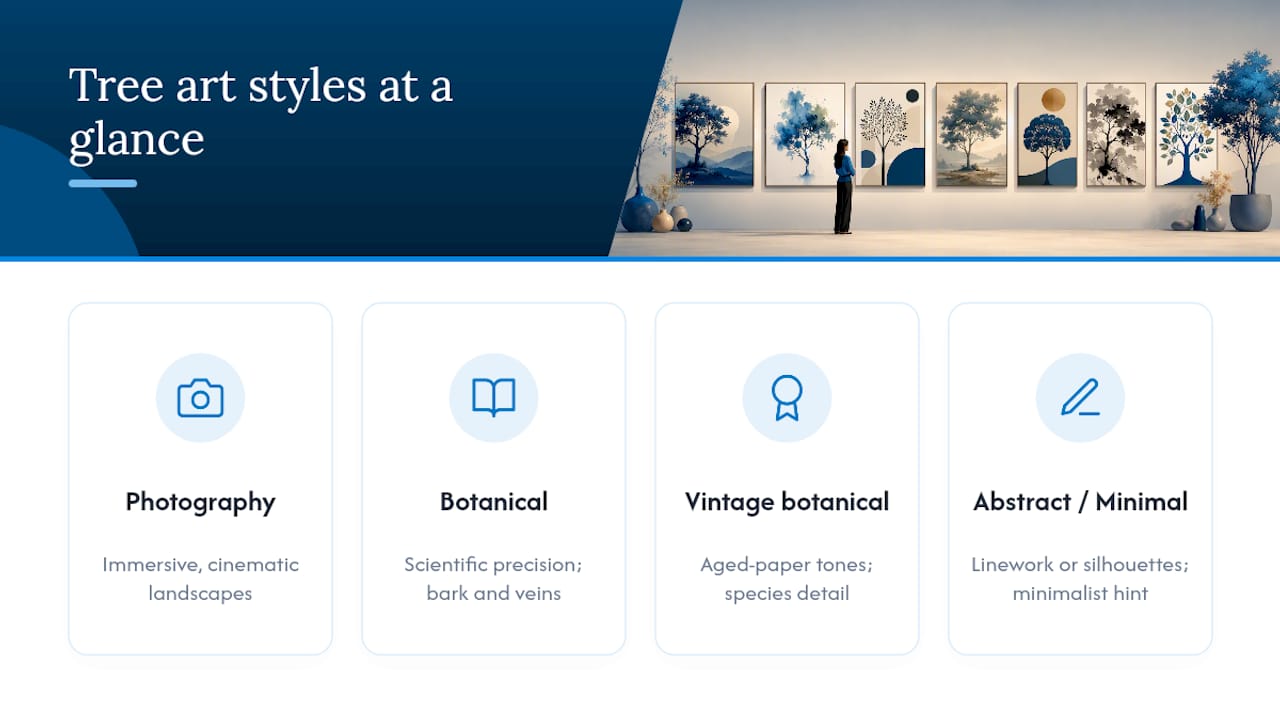
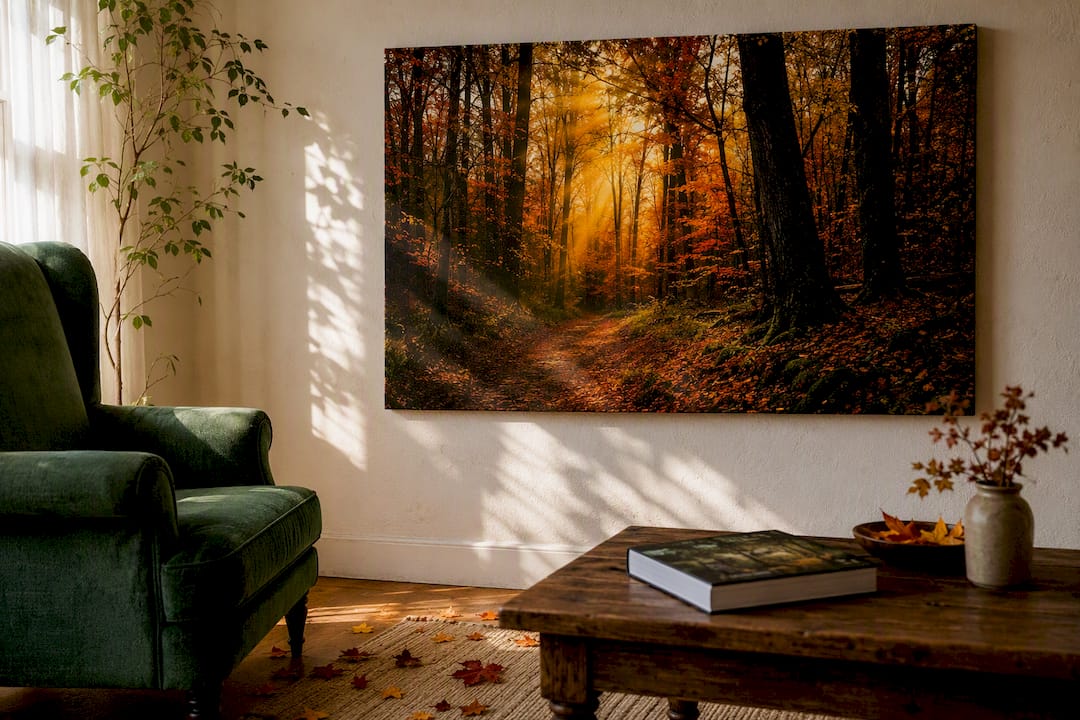
Photography delivers immersive, almost cinematic landscapes. A forest shot in autumn light reads warm and inviting; the same forest in black and white with high contrast reads moody and architectural. Soft, diffused light photography tends to calm a room, while high-contrast shots energize it. This is the style that works best as a single oversized statement piece.
Botanical illustration takes the opposite approach: scientific precision over atmosphere. These prints render bark texture, leaf veins, and branch structure with almost clinical accuracy, which is why they show up so often in libraries, studies, and formal dining rooms. Design experts generally agree that botanical illustration reads as calm and academic, where photography reads as immersive, so the choice often comes down to the feeling you want the room to have.
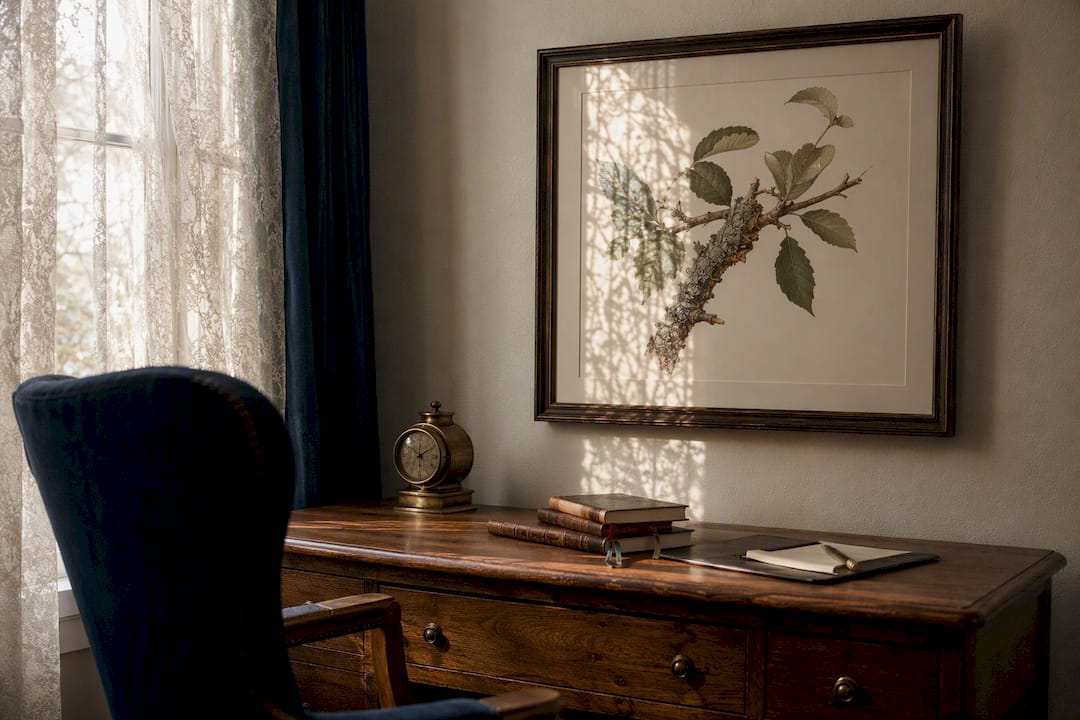
Vintage botanical prints reproduce 18th and 19th century illustrations, aged paper tones and all. Sellers like Charting Nature reproduce these as museum-quality giclée prints on heavyweight paper, sold framed or unframed. The patina works especially well in traditional or eclectic interiors, and these pieces double as thoughtful gifts for gardeners or plant collectors thanks to their species-specific detail.
Abstract and minimalist tree art strips the subject down to line work, silhouettes, or stylized color blocks. This is the category for modern interiors that want a nature reference without literal detail.
One note on price: original artwork and limited editions cost significantly more than open-edition reproductions, so know which category you’re shopping in before you fall in love with a price tag.
Canvas, Paper, or Metal: Which Print Format Lasts Longest?
The format changes more than the look. It changes how the print ages.
Giclée printing with pigment-based archival inks is the standard recommendation for fine-art reproduction, especially botanical detail, because pigment inks resist fading far longer than standard inkjet dye-based methods. If you’re spending real money on a piece you want to keep for a decade, ask specifically whether the seller uses archival pigment inks and whether the paper or canvas is rated acid-free or museum-grade.
- Canvas: textured, warm, and forgiving of ambient light; needs proper stretching over a wood frame to avoid sagging over time
- Giclée on archival paper: sharper detail retention, ideal for botanical illustration, usually needs matting and glass or acrylic glazing
- Acrylic or metal: high gloss, punchy contrast, excellent for photography prints; easier to wipe clean but priced higher than canvas or paper
- Framed paper prints: the classic choice for vintage botanical sets; matting adds visual breathing room that full-bleed photo prints don’t need
Maintenance varies by material. Canvas and paper both need to stay out of direct sunlight to slow fading, while acrylic and metal tolerate brighter rooms better and just need occasional dusting or a quick wipe with a dry microfiber cloth. Retailers commonly list multiple format options side by side on the same product page, which makes comparing longevity and look easier than shopping format by format across different sites.
How Do You Pick the Right Size and Avoid a Costly Mistake?
Buying the wrong size is the single most common regret with wall art, and it’s completely avoidable if you measure first.
- Measure your wall and the furniture below it. A good rule of thumb: art width should run about 60% to 75% of the sofa or console beneath it. Go smaller and the piece looks lost; go bigger and it overwhelms the furniture.
- Check resolution before you commit to a photography print. Ask the seller for a zoomed sample or PPI (pixels per inch) rating, especially for anything larger than 24x36 inches. A file that looks sharp at thumbnail size can look soft and pixelated blown up to 40 inches wide.
- Decide between one large print and a set. A single oversized canvas makes a bolder statement; a triptych or gallery cluster gives you more flexibility to mix styles, but you’ll pay for multiple frames and possibly separate shipping charges.
- Confirm the policies before checkout. Ask about the return window, framing lead time, and whether the seller offers a printed or digital proof before production. Retailers commonly advertise size presets and shipping promotions that shift your final cost, so read the fine print on shipping and framing add-ons before you finalize a size.
Pro Tip: If you’re between two sizes, size up. Undersized art is the more common regret, and it’s the harder one to fix after the wall is already painted around it.
Where Should You Hang a Tree Print in Each Room?
Placement makes or breaks even a well-chosen print. A few room-specific rules go a long way.
- Living room: hang one large statement print above the sofa, centered at eye level when seated, not standing
- Bedroom: choose calming, low-contrast imagery, roughly matched to headboard width, since this is a room where high-contrast photography can feel jarring at night
- Hallways and entryways: vertical compositions work better than wide landscapes, or line up a row of small botanical prints for a gallery effect in a narrow space
- Gallery walls: leave 2 to 4 inches between frames, and either unify every frame in one finish or vary textures deliberately, not accidentally
Frame finish should match the print style: warm wood suits vintage and botanical work, while thin black or white frames suit modern photography and abstract pieces. If you’re rethinking trim and door finishes as part of a larger room refresh, current interior door design trends are worth a look, since wood tones in doors and frames tend to read best when they’re coordinated rather than competing.
Pro Tip: In a bedroom, hang art so the center sits about 57 to 60 inches from the floor, roughly eye level for most adults standing, then adjust down slightly for pieces meant to be viewed from bed.
What Makes Sense Canvas a Solid Source for Tree Art?
Sense Canvas carries over 15,000 designs across styles including nature and forest themes, all available in custom sizing rather than a fixed handful of presets. That range matters if you’ve measured your wall and need something that actually fits, not something close enough.
- Prints start around $85, which keeps a custom canvas within reach for a first big purchase
- Every product page shows a size mockup so you can visualize scale before ordering
- Customization lets you match a specific size or crop rather than settling for a standard ratio
- Canvas construction is stretched and ready to hang, no separate framing step required
Customers frequently point to the vibrancy and color depth of their canvas prints once hung, which lines up with why pigment-rich, high-saturation imagery tends to photograph and display better on canvas than on flat matte paper.
If you’re browsing for something in a nature or forest motif, the Deer Forest canvas shows how a wooded scene translates onto stretched canvas, texture and all.
How Do You Know a Tree Print Is Actually High Quality?
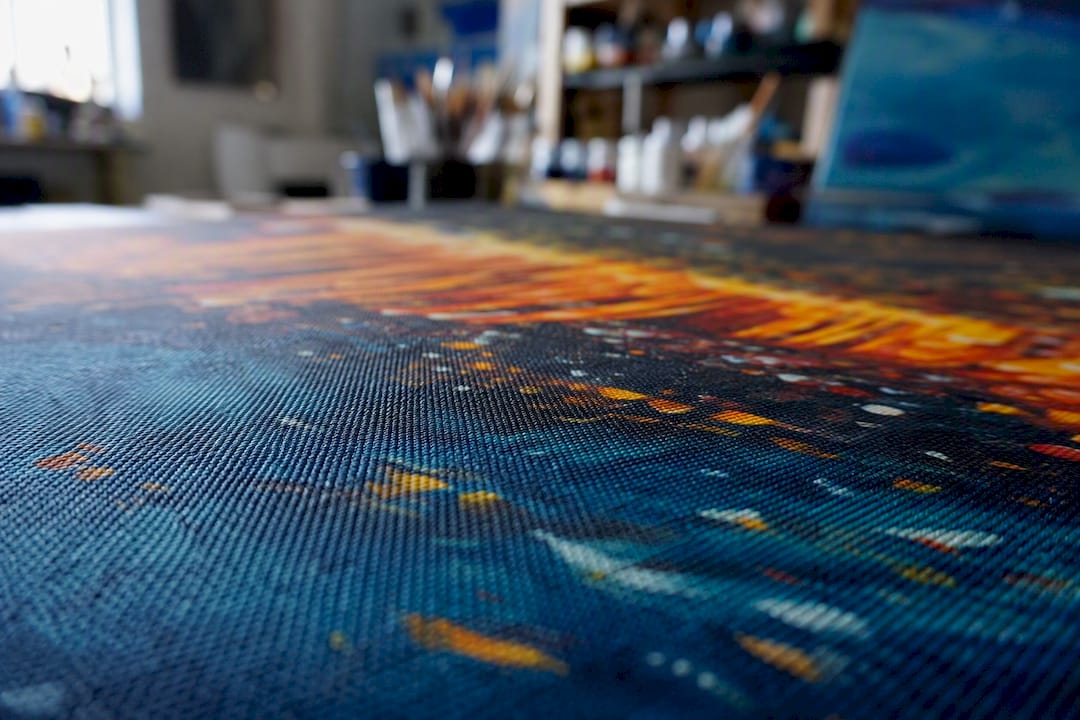
Authenticity and quality aren’t the same question, and buyers often confuse them. An “original” tree print means a one-of-a-kind piece, hand-painted or a single pulled print, and it should come with a certificate of authenticity or a signed edition number. A reproduction, whether it’s a giclée botanical illustration or a photographic canvas, isn’t trying to be original. It’s trying to be accurate and durable, and that’s a fair thing to buy as long as the seller is upfront about it.
To judge quality on a reproduction, look at three things. First, the print method: giclée with pigment-based archival inks holds color and detail longer than standard inkjet, and any reputable seller will state this on the product page. Second, the material rating: ask whether canvas is cotton or poly blend, and whether paper is acid-free or cotton rag, since these ratings predict how well the piece resists yellowing. Third, the zoom sample. Any seller confident in their print quality will let you zoom into a high-resolution product photo before you buy, and general e-commerce guidance around clear product mockups and transparent return policies exists precisely because that transparency separates trustworthy sellers from ones hoping you won’t look too closely.
A quick red flag: if a seller won’t specify ink type, paper or canvas material, or won’t offer any return window, treat that as a quality signal in itself. Reputable print shops don’t hide that information because they don’t need to.
Our Take: Buy for the Room, Not the Trend
Most buying guides push readers toward whatever style is trending, botanical prints one year, abstract line art the next. That advice ages badly. The print that still looks right on your wall five years from now is the one chosen for your room’s actual light, wall size, and existing palette, not for what’s popular in a catalog spread.
The conventional wisdom also underrates format. People spend weeks agonizing over which tree photograph to buy, then order it on whatever material is cheapest, and end up with a beautiful image on a print that yellows in two years. Material discipline, archival ink, proper canvas stretching, acid-free paper, matters more to long-term satisfaction than the image itself.
If there’s one thing to prioritize first, it’s measurement. Get the size right before you fall in love with a style. A stunning botanical print at the wrong scale for your wall will always look wrong, no matter how good the illustration is.
Get a Custom Tree Canvas Made for Your Exact Wall
Most tree print retailers sell you a fixed size and hope it fits. Sense Canvas builds the canvas to your wall’s actual dimensions, starting around $85, so you’re not stretching a 24x36 print across a space that needed 40x60.
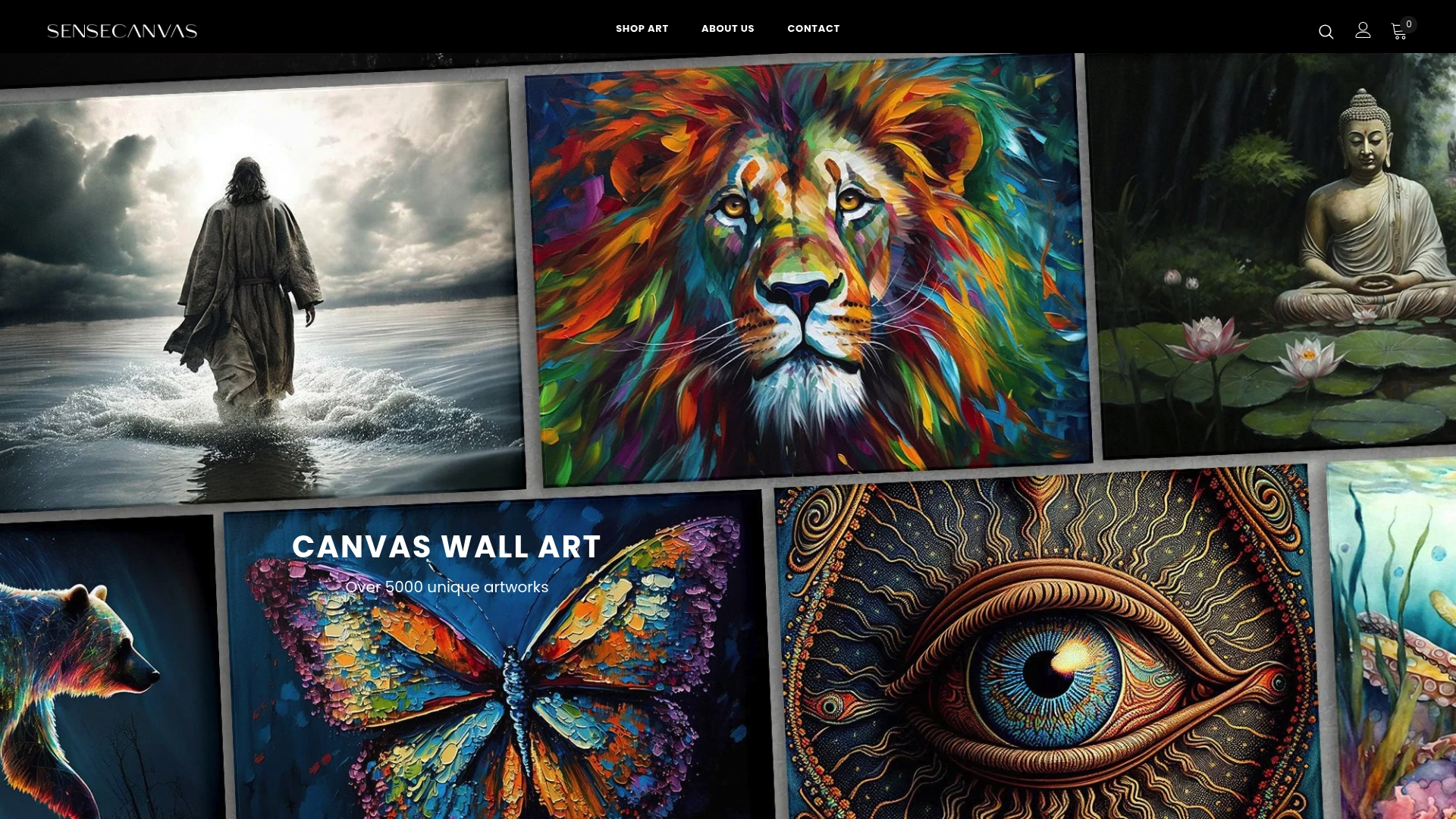
Every product page shows a size mockup before you order, and the canvas ships stretched and ready to hang, no separate framing errand. Browse a forest scene like Deer Forest, or check the size and customization options on the 100 Bill canvas listing to see how the sizing tool works in practice. If you already know the wall you’re filling, visit the Sense Canvas landing page and enter your dimensions to see a custom mockup before you commit.