The Role of Texture in Wall Decor: A 2026 Guide
Texture in wall decor is defined as the tactile and visual quality of a surface that adds depth, dimension, and emotional character to a room. The role of texture in wall decor goes far beyond aesthetics. It shapes how a space feels, how light moves across surfaces, and how comfortable people feel inside a room. Interior design experts, including those at NateBel Interiors and Banaji & Associates, consistently identify texture as the single most overlooked element in home and office redecorating. Get it right, and a room shifts from merely attractive to genuinely inviting.
How does texture influence the atmosphere and perception of a room?
Texture adds warmth, authenticity, and emotional connection to spaces in ways that paint color and furniture alone cannot. A rough stone wall reads as grounded and calm. A silk fabric panel reads as refined and quiet. These are not accidental impressions. They are the direct result of how surfaces interact with light, shadow, and human perception.
The way texture behaves under light is one of its most powerful qualities. Directional lighting creates dramatic shadow play that highlights surface variation and changes a wall’s appearance throughout the day. A limewash wall looks soft and matte in morning light, then gains depth and contrast by late afternoon. This dynamic quality makes textured walls feel alive in a way that flat painted surfaces never do.
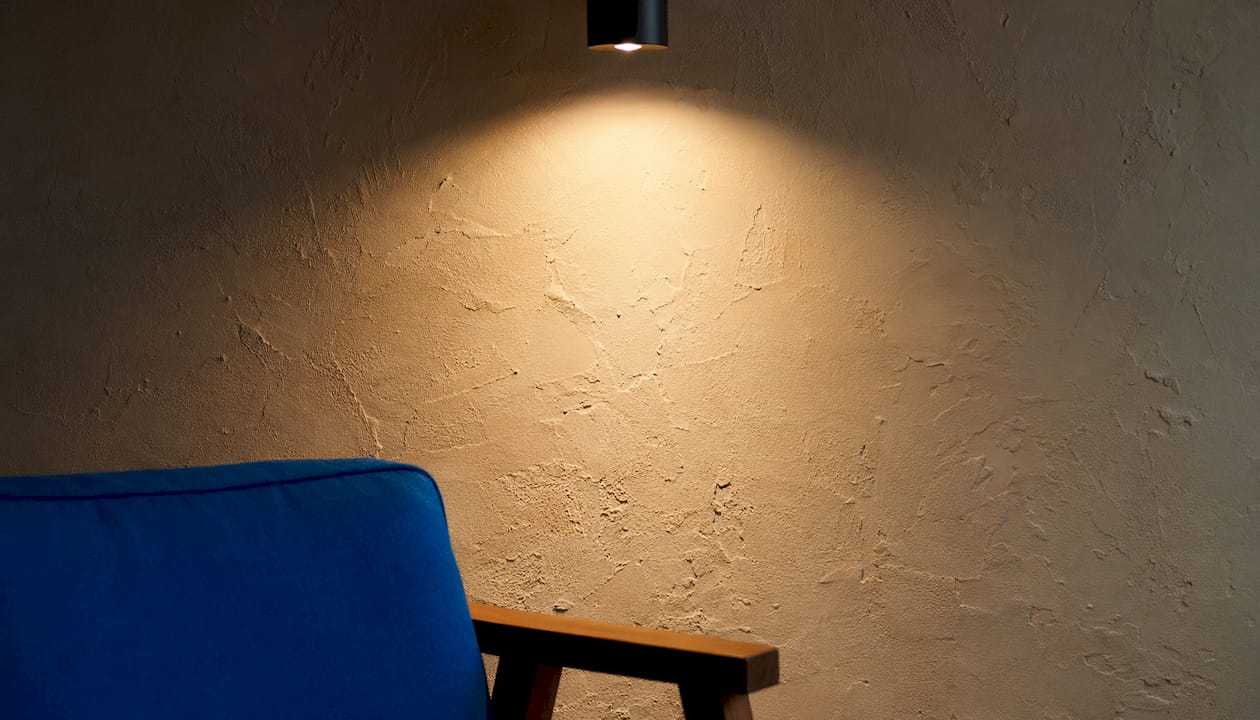
Texture also affects the perceived size and warmth of a room. Coarse, heavy textures pull walls visually closer, making a large room feel more intimate. Fine, smooth textures push walls back, keeping small rooms from feeling cramped. This is why texture is what separates rooms that look good in photos from rooms that feel complete in person.
Key ways texture shapes atmosphere:
- Warmth and coziness: Rough or natural materials like raw stone and wood paneling signal shelter and comfort to the human brain.
- Visual rhythm: Repeating textural patterns, such as fluted panels or brick, create a sense of order without rigidity.
- Depth perception: Layered textures make walls appear three-dimensional, adding spatial interest even in small rooms.
- Mood calibration: Smooth, polished surfaces feel formal and focused. Soft, organic textures feel relaxed and personal.
Pro Tip: Place a single directional lamp at a 45-degree angle to a textured wall. The shadows it creates will reveal the full depth of the surface and make even a simple sand-additive paint look architectural.
What are the common types of textured wall finishes?
Textured wall finishes fall into three broad categories: paint-based techniques, premium plaster and mineral finishes, and natural material applications. Each category carries different cost levels, visual effects, and maintenance demands.
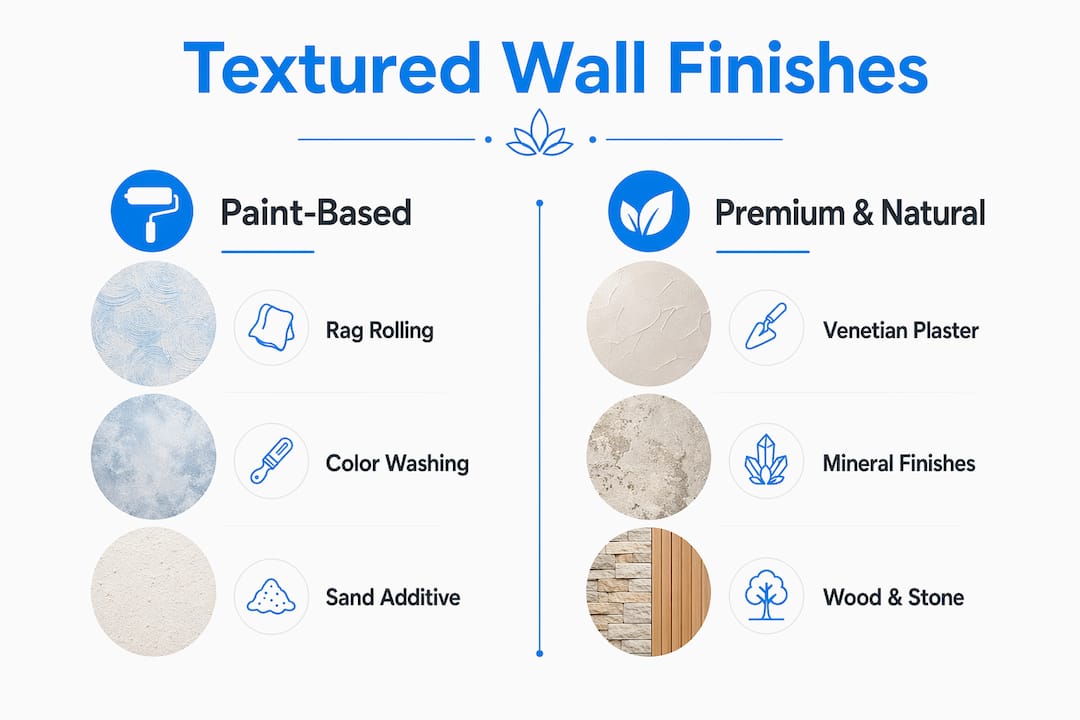
Paint-based techniques
Techniques like rag rolling and color washing cost nearly nothing but deliver real visual depth. Rag rolling involves pressing a bunched cloth into wet paint to create an organic, mottled surface. Sponge painting uses a natural sea sponge to layer two or three paint colors, producing a soft, stone-like effect. Sand-additive paints mix fine silica directly into standard wall paint, creating a gritty, matte surface with subtle dimension. These are the best entry points for redecorators working with limited budgets or renting their spaces.
Premium plaster and mineral finishes
Venetian plaster is the gold standard of premium wall texture. Applied in thin layers and burnished to a high sheen, it mimics the look of polished marble at a fraction of the material cost. Limewash paint, which has surged in popularity through 2025 and into 2026, creates a chalky, aged finish that shifts in tone with light. Microcement is a thin, continuous surface applied over existing walls or floors, producing a raw, industrial look with no grout lines. Costs vary from minimal DIY paint techniques to significant professional investments for Venetian plaster or microcement installations.
Natural material applications
Wood paneling, raw stone cladding, exposed brick, and fabric panels bring genuine tactile weight to a wall. Wood paneling, particularly fluted or ribbed profiles, has become one of the defining textural elements in 2026 interior design. Raw stone and brick work best as single accent walls because their visual mass is high. Fabric panels, including bouclé and linen, add softness and acoustic absorption, making them ideal for home offices and bedrooms.
| Finish type | Visual effect | Best room | Cost level |
|---|---|---|---|
| Rag rolling / sponge painting | Soft, organic, layered color | Living room, bedroom | Low (DIY) |
| Sand-additive paint | Matte, gritty, subtle dimension | Hallway, study | Low (DIY) |
| Limewash | Chalky, aged, light-reactive | Living room, bedroom | Medium |
| Venetian plaster | Polished, marble-like sheen | Dining room, entryway | High (professional) |
| Microcement | Raw, industrial, seamless | Kitchen, bathroom, office | High (professional) |
| Wood paneling (fluted) | Warm, rhythmic, architectural | Any room | Medium to high |
| Raw stone / brick | Heavy, grounded, dramatic | Accent wall only | High |
| Fabric panels | Soft, acoustic, tactile | Bedroom, home office | Medium |
Why does intentional layering and restraint matter in textured wall design?
Restraint is the discipline that separates good texture use from overwhelming design. Applying heavy texture to all walls can overwhelm a space, especially in smaller rooms where surfaces already feel close. The result is a room that feels busy and claustrophobic rather than rich and layered.
The most effective approach is to treat one wall as a focal point. An accent wall with Venetian plaster or fluted wood paneling draws the eye and anchors the room. The remaining walls stay smooth, letting the textured surface breathe and stand out. This single decision delivers most of the visual impact of a fully textured room without any of the visual fatigue.
Coarse textures can overwhelm small rooms, so matching texture scale to room size is non-negotiable. A fine limewash finish works in a compact bedroom. A rough stone cladding belongs on the fireplace wall of a large living room. Scale mismatch is the most common mistake redecorators make when adding texture for the first time.
Layered textures like fluted panels, limewash walls, raw stone, and tactile fabrics create environments that respond to human emotion and offer visual rhythm. The key is that each texture complements rather than competes. A limewash wall pairs naturally with a linen sofa and a raw wood shelf. A polished Venetian plaster wall pairs with glass, metal, and smooth upholstery.
Practical principles for layering texture well:
- Limit dominant textures to one per room. One heavily textured wall is a statement. Two are a conflict.
- Mix rough and smooth in the same space. A rough stone accent wall needs smooth furniture surfaces to balance it.
- Repeat a texture in small doses. A brick accent wall pairs with a brick-pattern throw pillow to create visual continuity.
- Consider the room’s natural light. North-facing rooms with low light benefit from lighter, finer textures that reflect rather than absorb.
Pro Tip: Before committing to a full accent wall, apply your chosen texture to a 2-foot-by-2-foot sample board and live with it for 48 hours. Observe it in morning light, afternoon light, and under artificial lighting before making a final decision.
How can you apply texture effectively in a redecorating project?
Applying texture well requires planning before the first brush stroke or panel goes up. Follow this sequence to avoid costly mistakes.
- Assess the room’s light. Natural light direction determines which textures will read well. South-facing rooms can handle heavier, more dramatic finishes. North-facing rooms need lighter, more reflective surfaces to avoid feeling dark.
- Define the room’s function. A home office benefits from textures that absorb sound, like fabric panels or cork. A dining room benefits from textures that reflect light and feel celebratory, like Venetian plaster or metallic limewash.
- Choose your budget tier. Paint texture techniques offer an accessible starting point for adding dimension at minimal cost. If budget allows, invest in one professional finish on the focal wall and use DIY techniques on secondary surfaces.
- Decide between DIY and professional application. Rag rolling, sponge painting, and sand-additive paints are genuinely achievable for a careful DIYer. Venetian plaster and microcement require professional application to achieve a clean result. Attempting these without experience typically produces uneven, patchy surfaces.
- Plan your lighting placement. Lighting at an angle creates shadow contrast that reveals wall texture effectively. Install wall sconces or adjustable track lighting that grazes the textured surface rather than flooding it with flat overhead light.
- Layer in wall art and decor. Layering textures with canvas prints is one of the most effective ways to add visual depth without committing to a permanent wall finish. A large canvas print hung against a limewash wall creates a conversation between two different surface qualities.
- Plan for maintenance. Smooth limewash and Venetian plaster surfaces wipe clean easily. Rough stone and fabric panels collect dust and require more frequent attention. Match your maintenance tolerance to your texture choice.
Key Takeaways
Texture is the foundational design element that determines whether a room looks finished or feels complete, and restraint in its application is as important as the texture itself.
| Point | Details |
|---|---|
| Texture shapes mood | Rough, natural surfaces create warmth; smooth, polished surfaces create formality and focus. |
| Light reveals texture | Angled directional lighting is required to show wall texture at its full depth and effect. |
| Scale must match room size | Coarse finishes overwhelm small rooms; fine-grain textures suit intimate or compact spaces. |
| Restraint prevents overload | One dominant textured accent wall delivers maximum impact without visual fatigue. |
| Canvas art layers well | Hanging canvas prints against a textured wall adds depth without permanent structural changes. |
What I’ve learned about texture that most design guides won’t tell you
Most design advice treats texture as decoration. I think that framing misses the point entirely. Texture is infrastructure. It determines how a room sounds, how it feels underfoot and to the touch, and how it makes people feel within the first ten seconds of entering. That is not a decorative function. That is an architectural one.
The rooms I find most memorable are never the ones with the most furniture or the boldest color choices. They are the ones where texture creates a thoughtful, balanced space that influences how you feel without you being able to name exactly why. A limewash bedroom wall does something to your nervous system that a flat painted wall simply does not. That effect is real, and it is worth pursuing deliberately.
The 2026 trend toward layered, material-rich interiors reflects something genuine: people are tired of spaces that look good in photographs but feel hollow in person. Texture is the correction. My honest advice is to start with one wall, choose a finish that suits your room’s light and function rather than what is trending, and resist the urge to texture everything at once. The restraint will make the textured surface more powerful, not less.
— Sense
Sensecanvas wall art: where texture meets visual storytelling
Textured walls create the perfect backdrop for art that has its own visual weight and depth. Sensecanvas offers over 15,000 canvas wall art pieces starting from $85, spanning abstract, motivational, animal, and custom styles that complement every textured finish from raw stone to Venetian plaster.

Whether you are finishing a limewash accent wall in a bedroom or adding the final layer to a fluted-panel home office, a Sensecanvas print brings color, narrative, and visual contrast that completes the space. Every piece is available in custom sizes, so the art fits the wall rather than the other way around. Browse the full collection at Sensecanvas to find art that works with your texture, not against it.
FAQ
What is the role of texture in wall decor?
Texture in wall decor adds depth, dimension, and emotional warmth to a space by influencing how light behaves on surfaces and how people feel inside a room. It is the element that makes a room feel complete rather than merely decorated.
Which textured wall finish is best for small rooms?
Fine-grain finishes like limewash or sand-additive paint suit small rooms best, since coarse textures can overwhelm compact spaces and make them feel cramped. Apply texture to one accent wall only to maintain spatial balance.
How does lighting affect textured walls?
Angled or directional lighting reveals wall texture by creating shadow contrast across the surface. Flat overhead lighting eliminates that contrast and can make even a heavily textured wall appear flat.
Can I add wall texture without professional help?
Paint-based techniques like rag rolling, sponge painting, and sand-additive paints are achievable DIY options that cost very little and add genuine visual depth. Venetian plaster and microcement require professional application for a clean, even result.
How do I mix textures without making a room feel cluttered?
Limit each room to one dominant textured surface, then balance it with smooth furniture and decor. Successful textures add depth without competing with other design elements, so restraint and contrast are the core principles.