How Canvas Art Fits Biophilic Design Principles
Canvas art is a deliberate biophilic design element that brings nature’s colors, textures, and organic patterns indoors to support human wellbeing. Biophilic design, the practice of integrating natural elements into built environments to strengthen the human-nature connection, extends well beyond living walls and timber floors. Canvas art fits biophilic design by activating the same sensory and psychological pathways that direct contact with nature does. A synthesis of 136 studies from 2000 to 2025 confirms that multi-sensory biophilic interventions, including high-resolution natural canvas art paired with organic textures, produce more consistent restorative outcomes than any single application alone.
How canvas art fits biophilic design: the core framework
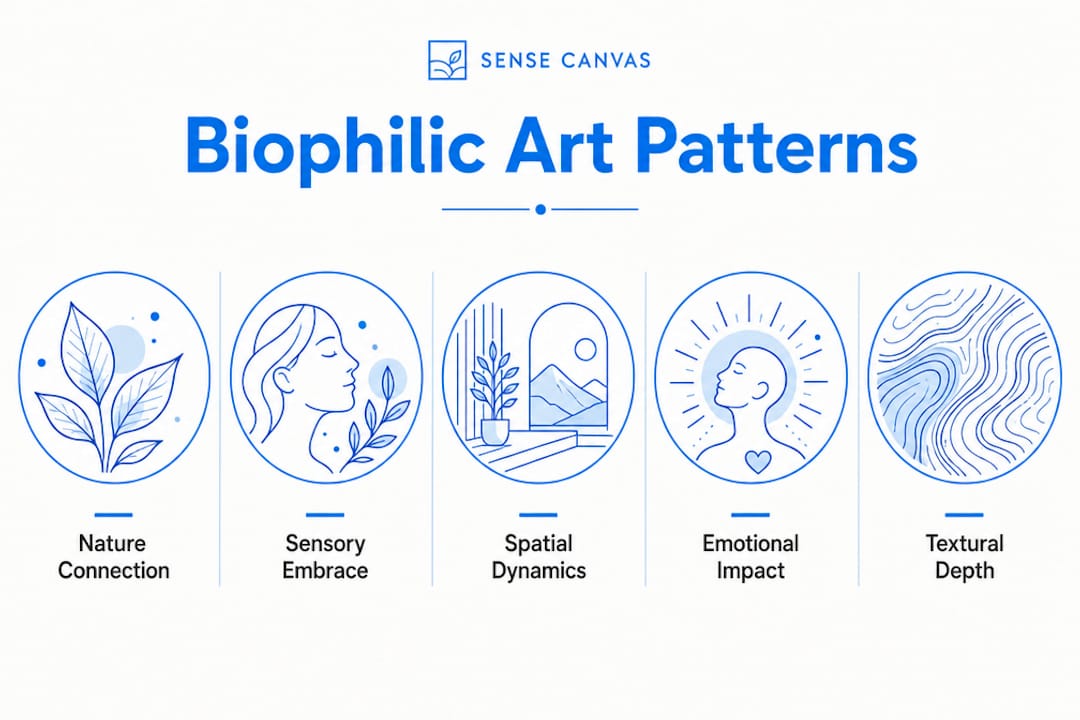
The 14 Patterns of Biophilic Design framework, developed by Terrapin Bright Green, is the industry standard for applying nature-based principles in architecture and interiors. Three patterns are especially relevant to canvas art: visual connection to nature, natural analogues, and complexity and order.
Visual connection to nature does not require a window. A large-format canvas depicting a forest canopy, ocean horizon, or mountain ridge activates the same restorative response as a direct view outdoors. Natural analogues cover materials, colors, and shapes that reference nature without being literal copies. Impasto-textured canvas art with earthy tones qualifies directly. Complexity and order describes the fractal-like layering found in natural scenes. Well-composed canvas art with organic, layered detail satisfies this pattern and holds attention without causing cognitive fatigue.
Canvas art also supports spatial patterns like prospect and refuge. A wide panoramic landscape print on a far wall creates a sense of prospect, the feeling of surveying open space. A smaller, intimate botanical piece placed low in a reading nook reinforces refuge, the sense of being sheltered and safe.
- Visual connection to nature: landscapes, seascapes, forest canopies
- Natural analogues: organic textures, earth tones, botanical forms
- Complexity and order: fractal-like compositions, layered natural detail
- Prospect: wide-format panoramic prints on focal walls
- Refuge: smaller, intimate pieces in enclosed or low-ceiling spaces
Pro Tip: When selecting canvas art for biophilic interiors, map each piece to at least one of the 14 Patterns before purchasing. Art that serves no pattern function is decoration. Art that serves a pattern function is design.
How do texture, color, and form enhance biophilic environments?
Texture is the most underused tool in canvas art selection. Impasto and linen-textured canvases create physical relief on the surface that shifts visually as light moves across the room throughout the day. This mimics the dynamic quality of natural surfaces like bark, stone, and water. The result is a piece that feels alive rather than static.
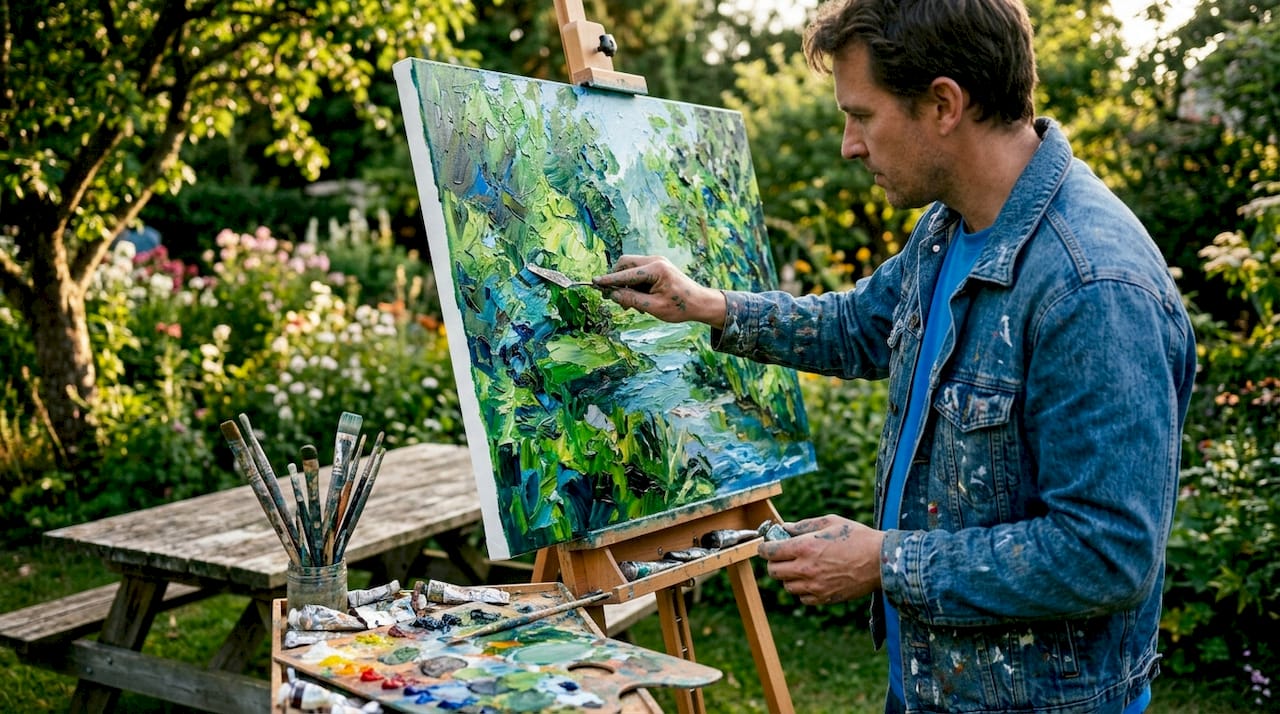
The grazing light technique amplifies this effect. Positioning a directional light source at a low angle to the canvas surface throws the texture into sharp relief, creating shadows and highlights that change with the time of day. Practitioners who apply this technique report that textured canvas art reads as a genuinely natural surface rather than a printed image. This is a critical distinction in biophilic design, where authenticity of sensory experience determines whether the space feels restorative or merely themed.
Color choice carries equal weight. Green and blue palettes in canvas art evoke natural environments and produce measurable calming effects. Environmental psychology research links these hues to lowered cortisol levels and improved mood. Interior reports show client satisfaction improvements of over 20% and reductions in stress symptoms when green and blue toned art is integrated with complementary design elements.
- Deep forest greens: lower cortisol, support focus
- Ocean and sky blues: reduce anxiety, improve sleep quality in bedrooms
- Earth tones (ochre, sienna, warm gray): ground a space and support emotional stability
- Gradient compositions: support circadian rhythm by mimicking the sky’s color shift from dawn to dusk
Pro Tip: Avoid canvas art with pure white backgrounds in biophilic interiors. White grounds read as artificial. Choose art printed on warm-toned or natural linen-colored substrates to keep the sensory palette consistent with the rest of the space.
You can explore how layering textures with canvas prints builds this kind of multi-sensory depth in practice.
What placement strategies maximize biophilic impact?
Strategic placement turns good canvas art into a functional biophilic element. Scale is the first variable to get right. A piece that is too small for its wall reads as an afterthought. A piece scaled to the sightline of a seated or standing occupant anchors the space and creates the visual weight needed to activate the prospect or refuge response.
- Match scale to sightline. For living rooms and open-plan offices, the center of the canvas should sit at seated eye level, roughly 57 inches from the floor. For corridors and transitional spaces, hang art at standing eye level to guide movement and create a sense of arrival.
- Position near natural light. Place canvas art on walls adjacent to windows rather than directly opposite them. This avoids glare and allows natural light to graze the surface, enhancing texture and depth throughout the day.
- Coordinate with the material palette. Canvas art with warm wood tones pairs with oak and walnut finishes. Art featuring cool stone textures complements concrete, marble, and slate. Mismatched material languages undercut the biophilic effect even when the art itself is strong.
- Layer with living elements. Positioning a botanical canvas print above or beside a plant grouping creates a visual echo between the art and the living material. This layering reinforces the natural analogue pattern and makes the biophilic intent legible without being heavy-handed.
- Use durable finishes for high-traffic areas. In commercial and hospitality settings, choose UV-resistant, matte-finish canvas art. Glossy finishes reflect artificial light and break the sensory illusion. Matte surfaces absorb light in a way that reads as organic.
Pro Tip: In open-plan offices, use a large-format nature canvas on the wall visible from the most workstations. Research on biophilic design in architecture shows that even indirect visual access to natural elements improves occupant productivity and reduces energy-related stress.
How does canvas art enhance biophilic outcomes across different settings?
Canvas art performs differently depending on the setting, and understanding those differences helps you make better selections.
Residential interiors
In homes, canvas art functions as the primary nature connection point in rooms where plants or water features are impractical. A bedroom with a large, muted forest canvas in cool greens and blues supports sleep quality by lowering visual stimulation while maintaining the restorative sensory cues of nature. Living rooms benefit from larger, more complex compositions that hold attention and invite contemplation.
Commercial and office environments
Offices present a strong case for canvas art as a biophilic tool. Conference room wall art featuring natural landscapes reduces meeting fatigue and supports creative thinking. The multi-sensory biophilic approach confirmed across 136 studies applies directly here: combining textured canvas art with plants, natural light, and wood surfaces produces compounding wellbeing benefits that no single element achieves alone.
Hospitality and wellness spaces
Hotels, spas, and wellness centers use biophilic wall art with tactile surfaces and natural imagery to improve occupant calmness and acoustic comfort. Textile-backed and heavily textured canvases absorb sound, reducing echo in hard-surfaced rooms. This dual function, visual biophilic stimulus plus acoustic softening, makes canvas art one of the most cost-effective biophilic interventions available.
| Setting | Canvas art role | Primary benefit |
|---|---|---|
| Bedroom | Muted landscape, cool palette | Improved sleep quality, stress reduction |
| Living room | Complex botanical or landscape | Contemplation, emotional restoration |
| Office | Nature panorama, focal wall | Productivity, reduced meeting fatigue |
| Hospitality | Textured, tactile surface art | Acoustic comfort, occupant calmness |
| Wellness center | Green and blue gradient compositions | Cortisol reduction, mood improvement |
For a broader look at how art trends in 2026 are shaping residential biophilic interiors, the patterns confirm that nature-inspired canvas art is moving from accent to anchor.
Key Takeaways
Canvas art fits biophilic design by activating visual, tactile, and emotional nature connections through texture, color, and strategic placement across residential and commercial spaces.
| Point | Details |
|---|---|
| Map art to biophilic patterns | Each canvas piece should serve at least one of the 14 Patterns, such as visual connection, natural analogues, or prospect and refuge. |
| Texture outperforms imagery alone | Impasto and linen-textured canvases with grazing light create dynamic, nature-like surfaces that static prints cannot replicate. |
| Green and blue palettes reduce stress | Environmental psychology research links these hues to lower cortisol and improved mood in wellness and hospitality settings. |
| Scale and placement determine function | Center canvas art at sightline height and position it near natural light to maximize texture, depth, and biophilic impact. |
| Multi-sensory layering compounds benefits | Combining canvas art with plants, wood, and natural light produces stronger restorative outcomes than any single element alone. |
What I’ve learned from watching biophilic art land well and fall flat
The most common mistake I see is treating nature imagery as a substitute for biophilic design. A photographic print of a forest does not automatically create a restorative environment. What creates that environment is the combination of the right image, the right texture, the right scale, and the right placement working together. When one of those variables is off, the whole effect collapses.
The clients who get the best results are the ones who treat canvas art as a structural decision, not a finishing touch. They choose the art before the furniture, not after. They think about how morning light will hit the surface in march versus october. They ask whether the piece supports a prospect experience or a refuge experience, and they place it accordingly.
The emerging trend I find genuinely interesting is eco-friendly canvas substrates, specifically linen and recycled cotton grounds with plant-based inks. These materials add an authentic material story to the art that reinforces the biophilic intent at a level most visitors never consciously register but always feel. Pairing these with living ideas from complementary design sources helps build a complete sensory picture.
The future of biophilic canvas art is multisensory and contextual. Generic nature prints will keep selling, but the spaces that actually improve how people feel will use art that is textured, scaled correctly, lit deliberately, and chosen to serve a specific pattern function. That is the difference between a room that looks natural and a room that feels natural.
— Sense
Sensecanvas: nature-inspired canvas art for biophilic interiors
Sensecanvas offers over 15,000 unique canvas artworks, including nature-inspired collections built around the textures, palettes, and organic forms that biophilic design demands. Every piece is available in custom sizes, so you can match scale precisely to your sightline and spatial requirements.
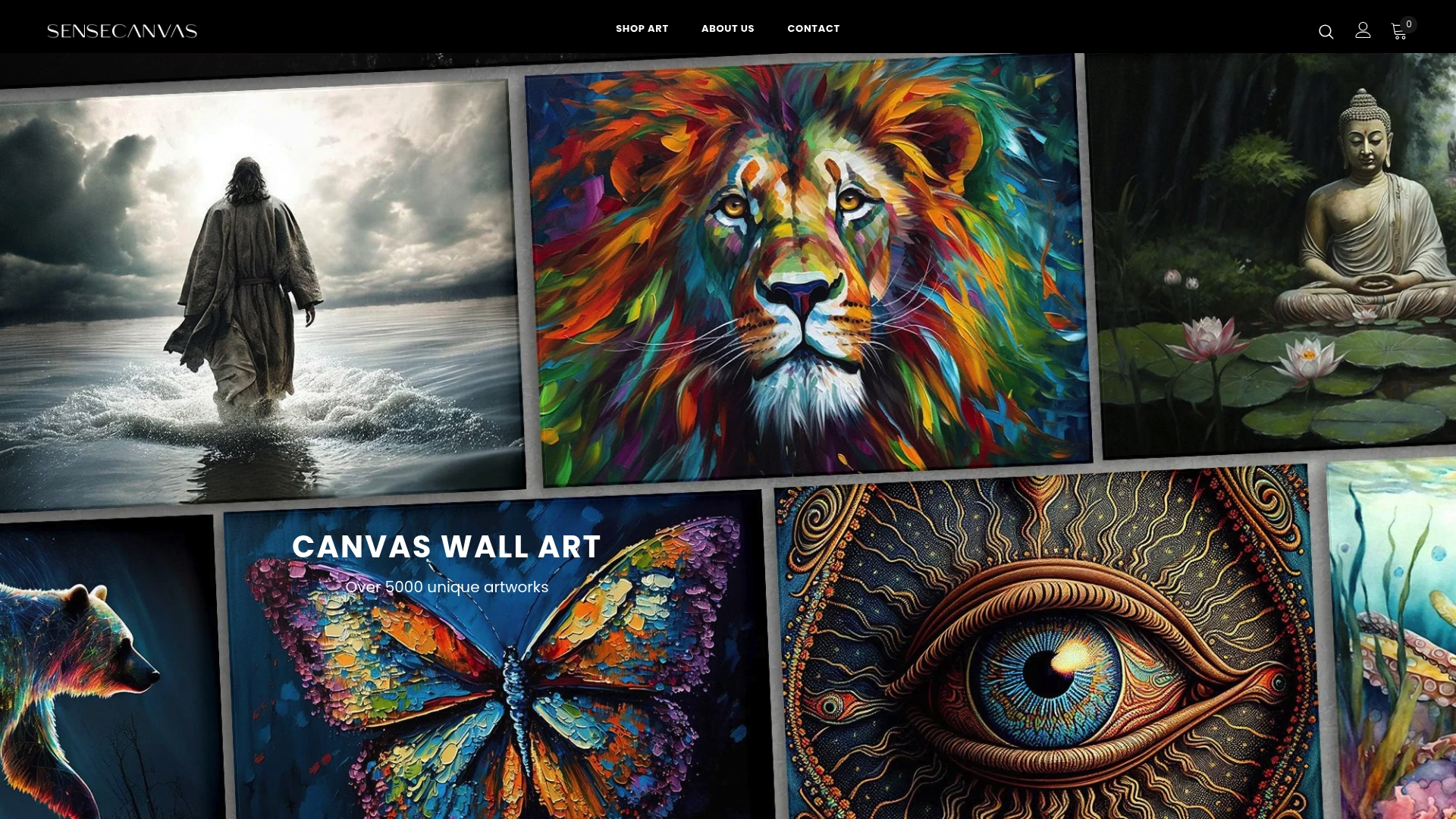
Finishes range from matte linen-textured surfaces to gallery-wrapped options suited for both residential sanctuaries and commercial environments. Sensecanvas also supports global drop shipping, making it practical for designers working across multiple project locations. Prices start at $85, covering everything from intimate botanical prints to large-format landscape canvases. Browse the full canvas art collection to find pieces that serve your biophilic design goals rather than simply fill your walls.
FAQ
What is biophilic design in interior spaces?
Biophilic design integrates natural elements, including light, materials, vegetation, and art, into built environments to strengthen the human-nature connection and improve occupant wellbeing. Canvas art contributes by introducing natural colors, textures, and organic patterns where direct nature contact is not possible.
Does canvas art actually reduce stress?
Green and blue canvas art palettes produce measurable calming effects, including lowered cortisol levels and improved mood, according to environmental psychology research. Interior reports show client satisfaction improvements of over 20% when these palettes are integrated with complementary biophilic elements.
What canvas art textures work best for biophilic design?
Impasto and linen-textured canvases perform best because their physical surface relief shifts visually as light changes throughout the day, mimicking natural surfaces like bark and stone. Pairing these with the grazing light technique maximizes the dynamic, nature-like quality of the piece.
How large should canvas art be in a biophilic interior?
The center of the canvas should align with the sightline of the primary occupant, seated or standing, at roughly 57 inches from the floor. Scale the piece so it anchors the wall rather than floating on it, which is typically at least two-thirds the width of the furniture it sits above.
Can canvas art replace plants in a biophilic design scheme?
Canvas art activates the visual connection to nature pattern and supports natural analogues, but it does not replicate the air quality, humidity, or living-system benefits of plants. The strongest biophilic outcomes come from combining canvas art with plants, natural materials, and daylight rather than substituting one for another.