Before You Pay for Giclée: 3 Proofs That Confirm Archival Quality
A giclée is an archival, pigment-based fine-art inkjet print made on professional wide-format equipment using high-resolution files. The word is pronounced zhee-KLAY and comes from a French term for spraying ink. Before paying a premium for one, check three things: pigment ink (not dye), an archival substrate like cotton rag paper or coated canvas, and evidence of real color proofing. Get those right and giclée earns its price for collector editions and subtle tonal reproductions.
TL;DR:
- Verify that the print uses pigment-based inks and is produced on an archival substrate like cotton rag paper or coated canvas to ensure longevity and color fidelity.
- Confirm that the print shop provides an ICC profile matching the printer and substrate, and request a physical proof to prevent unexpected color shifts in limited editions.
- Recognize that canvas offers a more textured, scale-appropriate finish for large or abstract works, while cotton rag paper preserves fine detail for collector editions.
- Understand that properly made giclée prints can last between 100 and 400 years under ideal storage and display conditions, with UV protection significantly extending lifespan.
- Reserve giclée for high-value, limited editions, gallery-quality reproductions, or archival purposes, while standard prints suffice for temporary or casual displays.
Table of Contents
- What Is Giclée Printing? Origin and Why the Term Gets Misused
- How Giclée Printing Works: Printers, Inks, and Production Stages
- Paper vs. Canvas: How Substrate and Finish Change the Result
- Color Management: ICC Profiles, Soft Proofs, and Printed Proofs
- How Long Do Giclée Prints Actually Last?
- When Giclée Is Worth the Premium (and When It Isn’t)
- Your File-Prep and Ordering Checklist
- Sense Canvas Perspective: Matching Archival Standards on Canvas
- Get an Archival-Quality Canvas Print From Sensecanvas
- Sources
What Is Giclée Printing? Origin and Why the Term Gets Misused
The word “giclée” was coined around 1991 by printmaker Jack Duganne, who needed a more elegant name for output from early Iris inkjet proofing printers than “inkjet print.” It stuck, and now shows up on gallery walls, print shop menus, and product listings everywhere.
Here’s the catch: giclée has no legal or technical definition. Nobody regulates who can slap the word on a print. A shop using dye ink on glossy photo paper can call its output “giclée” just as easily as a studio using pigment ink on museum-grade cotton rag. That inconsistency is why industry sources recommend the more precise term “archival digital pigment print” when accuracy matters more than marketing appeal.
Who actually uses the label, and why it varies so much:
- Fine artists reproducing original paintings or drawings for sale as limited editions.
- Photographers producing gallery-quality prints from digital or scanned negatives.
- Galleries and print shops marketing reproductions as premium, collector-worthy goods.
- Home decor retailers occasionally borrowing the term loosely for standard inkjet output.
Treat “giclée” as a starting point for a conversation, not a guarantee.
How Giclée Printing Works: Printers, Inks, and Production Stages
Professional giclée output comes from large-format inkjet printers built for fine art and photography, running RIP (Raster Image Processor) software that translates a digital file into precise dot patterns on paper or canvas. This is a different machine class than a desktop inkjet or a commercial poster press.
The ink matters as much as the printer. Pigment-based inks suspend solid color particles in a carrier fluid, and those particles resist fading far longer than dye inks, which dissolve into the paper and break down faster under light exposure. Most professional giclée printers run multiple separate ink channels instead of the standard four (cyan, magenta, yellow, black), which widens the color gamut and smooths out gradients that would otherwise band or shift on a cheaper machine.
Production typically moves through four stages (read our detailed Mugnificent vs Not Just A Print – Comparison to see how print distinctions matter):
- File preparation and color space conversion.
- RIP processing with an ICC profile matched to the exact printer and substrate.
- Printing, often followed by a curing or drying period.
- Inspection and outgassing, where the print rests briefly so inks stabilize before coating or shipping.
Pro Tip: Ask any print provider which ink brand and printer model they run. Knowing this information indicates a more reliable archival process than simply using the word “giclée.”
Paper vs. Canvas: How Substrate and Finish Change the Result
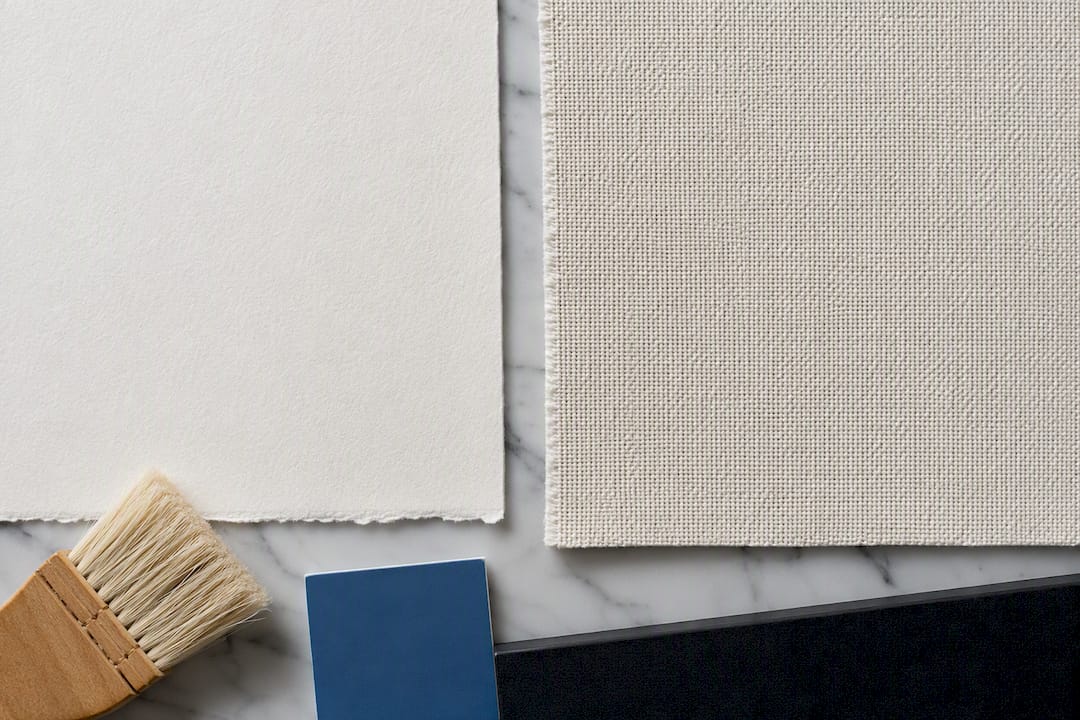
The surface you print on shapes both how the piece looks and how long it lasts. Cotton rag paper, the choice favored by serious collectors, holds fine detail with almost no texture interference, which is why it dominates fine-art photography and detailed illustration work. Common archival stocks include heavyweight cotton rag and baryta papers, both prized for smooth tonal transitions.
Canvas trades some of that crispness for scale and presence. It suits bold color work, abstract pieces, and large-format art meant to fill a wall rather than sit under glass. Canvas coating quality directly affects whether a piece can hang without glazing and how sharp the image reads once it dries.
- Cotton rag paper: best detail retention, standard for collector editions and fine photography.
- Canvas: better for scale, texture, and gallery-style display without glass.
- Coatings and varnish: protect against UV damage, moisture, and surface scuffing, and they’re what allow a canvas piece to skip framing behind glass entirely.
The substrate you pick often signals as much about perceived value as the ink does. A wrapped and finished canvas edge reads as a finished art object; a flat, unmounted paper print reads as a proof.
Color Management: ICC Profiles, Soft Proofs, and Printed Proofs
Color consistency doesn’t happen by accident. Professional shops build an ICC profile for every printer and paper combination they run, since the same file can shift noticeably in color depending on which stock it lands on. The RIP software uses that profile to map digital color values to actual ink placement.
Two kinds of proofing matter here, and they’re not interchangeable:
- Soft proofing simulates how a file will print, viewed on a calibrated monitor before any ink hits paper.
- Printed proofs are physical test prints, compared directly against the original artwork or a reference file under controlled lighting.
For a one-off print, a soft proof might be enough. For a limited edition of 50 or a reproduction meant to match an original painting exactly, insist on a printed contract proof before the full run starts. It’s the only way to catch a color shift before it’s baked into every piece in the edition.
Pro Tip: If a print shop can’t show you a physical proof before committing to a large run, that’s a signal their color management process isn’t as tight as their marketing suggests.
How Long Do Giclée Prints Actually Last?
Longevity is where giclée earns its reputation, and it’s backed by real testing rather than marketing copy. Properly made pigment prints on archival substrates are rated to last between roughly 100 and 400 years under controlled indoor display conditions, depending on ink chemistry, substrate, and how the piece is stored or displayed.
That range isn’t a guarantee. It’s a ceiling reached only under favorable conditions: stable temperature, moderate humidity, and limited UV exposure. A print left in direct sunlight for years won’t come close to that estimate no matter how good the ink was.
Practical steps that actually protect the estimate:
- Use UV-filtering glass or acrylic glazing on any paper-based giclée print.
- Canvas pieces finished with a protective varnish typically can hang without glass, since the coating itself blocks much of the UV damage.
- Store unframed prints flat, away from humidity swings and direct heat sources.
- Avoid hanging any fine-art print in direct sunlight, regardless of substrate.
A well-cared-for piece easily outlasts the room it hangs in. Sloppy storage undoes the archival investment fast. Sensecanvas’s own canvas care guide walks through framing and storage specifics if you want the longer version.
When Giclée Is Worth the Premium (and When It Isn’t)
Giclée printing costs more than standard commercial reproduction, and that premium buys something specific: color accuracy, tonal range, and archival durability. It’s not always the right call.
Situations where paying more makes sense:
- Limited edition art sales, where buyers expect numbered, consistent, collector-grade prints.
- Gallery representation, where color fidelity to the original work affects the artist’s reputation.
- Fine-art photography reproduction, especially large-format prints where detail and gradation matter most.
- Estate or archival reproduction, where the goal is preserving a piece for decades, not years.
A standard commercial print is perfectly reasonable for a temporary display, a promotional piece, or decor where color perfection isn’t the priority. Pricing for genuine giclée work reflects small-run economics: setup costs, proofing time, and archival materials don’t shrink much whether you order one print or ten, so per-unit costs tend to stay higher than mass commercial runs.
Your File-Prep and Ordering Checklist
Getting a giclée print right on the first try comes down to file quality and a few ordering habits.
- Export files at a minimum of 300 PPI at final print size; many studios prefer 360 to 400 PPI for detailed fine-art reproduction.
- Convert to the color profile your printer requests (often Adobe RGB or a specific CMYK profile), and embed the profile in the file.
- Include bleed and a clearly marked safe area if the piece will be trimmed or wrapped around a canvas edge.
- Add metadata: title, edition number, and artist name if the print is part of a numbered series.
- Confirm packaging specs for shipping, especially for large-format canvas or framed paper prints.
- Request a physical proof before committing to a full edition run.
- For reorders, verify the shop still stocks the exact paper or canvas used originally, since substrate changes can shift color and consistency across a print run.
Pro Tip: Keep a written record of the exact paper stock, ink set, and ICC profile used for your first print run. If you reorder in two years, that record is the only way to guarantee a color match.
Sense Canvas Perspective: Matching Archival Standards on Canvas
We build Sensecanvas around customizable canvas wall art, and the checkpoints that matter for giclée apply directly to what we produce: pigment-based inks, archival canvas stock, and consistent finishing before anything ships. Color accuracy and durable coating aren’t extras to us. They’re baseline production requirements.
If you’re evaluating any provider, including us, ask for a sample or reach out to customer service for proof of color consistency before committing to a large or custom order.
— Sense
Get an Archival-Quality Canvas Print From Sensecanvas
Compared to sourcing a fine-art print shop for a one-off custom piece, Sensecanvas skips the hunting: over 15,000 designs are ready to customize to your exact size, with pigment-based printing and archival canvas built in from the start, and pricing that starts at $85 instead of the setup fees a small print studio often charges for a single run.
This fits homeowners refreshing a room, gift buyers who want something that looks gallery-made without a gallery price tag, and small collectors who want a specific size or crop rather than a stock print. If you want proof of what the finish looks like before committing to a larger piece, browse a sample product like the abstract ocean canvas to see sizing and finish options up close, or head straight to the Sensecanvas homepage to start customizing your own piece today.