Nature Themed Canvas Art Ideas for Every Space
What makes nature themed canvas art so versatile?
Nature themed canvas art covers more ground than most people expect. Landscapes, wildlife portraits, botanical prints, and abstract organic forms all fall under this umbrella, and each brings a distinct energy to a room. The best part: you can buy a ready-made print, commission a custom piece, or make something yourself with leaves and acrylic paint.
Here is a quick look at the range:
- Landscapes: forests, mountains, lakes, oceans, and desert scenes
- Wildlife art: realistic portraits, stylized silhouettes, and playful animal stacks
- Botanical wall art: leaf prints, floral canvases, pressed-plant compositions
- DIY projects: leaf-print mandalas, moss-textured canvases, found-object displays
- Mixed media: layered paper, dried botanicals, and 3D elements on canvas
- Color palettes: earthy neutrals, cool ocean blues, warm sunset oranges
- Sizes: single statement pieces to multi-panel gallery walls
Popular nature themes you will actually want on your walls
Landscapes dominate the category for good reason. Forests, mountain scenes, and ocean views translate easily across decorating styles, from rustic to minimalist. A misty pine forest reads calm in a bedroom; a dramatic mountain vista energizes a living room or home office.
Wildlife art has moved well past the nursery. Animal themed canvas art now shows up in sophisticated living rooms and offices, often as extreme close-ups with refined palettes. A set of four safari prints featuring a zebra, flamingo, and baby elephant in varied sizes creates a cohesive gallery wall without feeling repetitive.
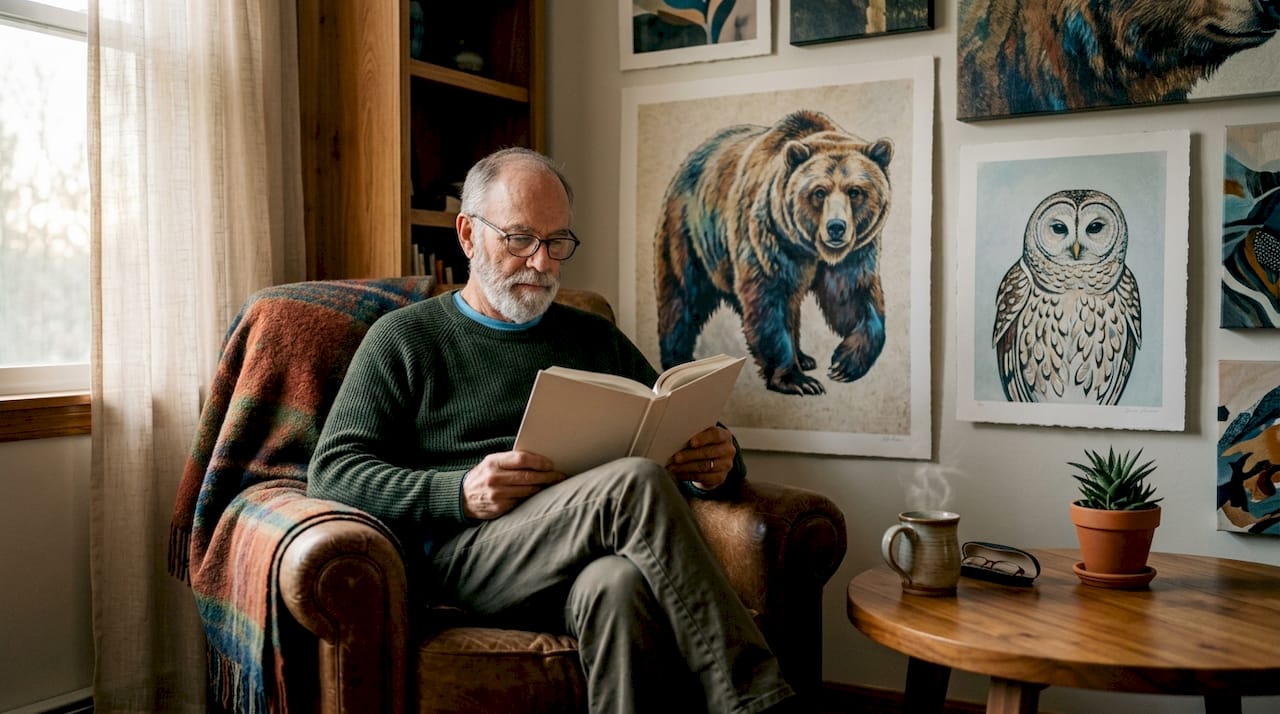
Botanical art is the third pillar. Floral canvas prints and leaf compositions work in kitchens, bathrooms, and reading nooks where a full landscape might feel too heavy. The tactile quality of a watercolor wildflower meadow or a pressed-fern print adds warmth that photography alone rarely achieves.
Pro Tip: Match the mood of the animal or plant to the room’s purpose. Deer and herons feel serene; big cats and eagles feel bold. Choose accordingly.
Artistic styles and techniques that shape the final look
Style determines whether a piece feels calm or charged, traditional or contemporary. The main options:
- Realism: photographic accuracy, ideal for wildlife portraits and outdoor landscape paintings where detail is the point
- Impressionism: soft brushstrokes and light-focused compositions, think Monet-style water lilies or misty lake scenes, perfect for romantic or airy spaces
- Abstract: bold color and shape over literal representation, fits contemporary interiors and works well for mountain scene canvas art where the form matters more than the peak
- Minimalist: simple silhouettes on neutral grounds, a lone tree or single stem, strong in Scandinavian or modern decor
- Textured and mixed media: palette knife application, layered paper cutouts, and embedded natural materials create tactile depth that flat prints cannot match
Color palette is where style meets emotion. Cool blues and greens evoke water and forest; warm ochres and terracottas bring in desert and autumn. A room with warm wood tones usually benefits from earthy botanical art canvas examples rather than icy ocean scenes.
DIY nature canvas art: ideas and expert tips
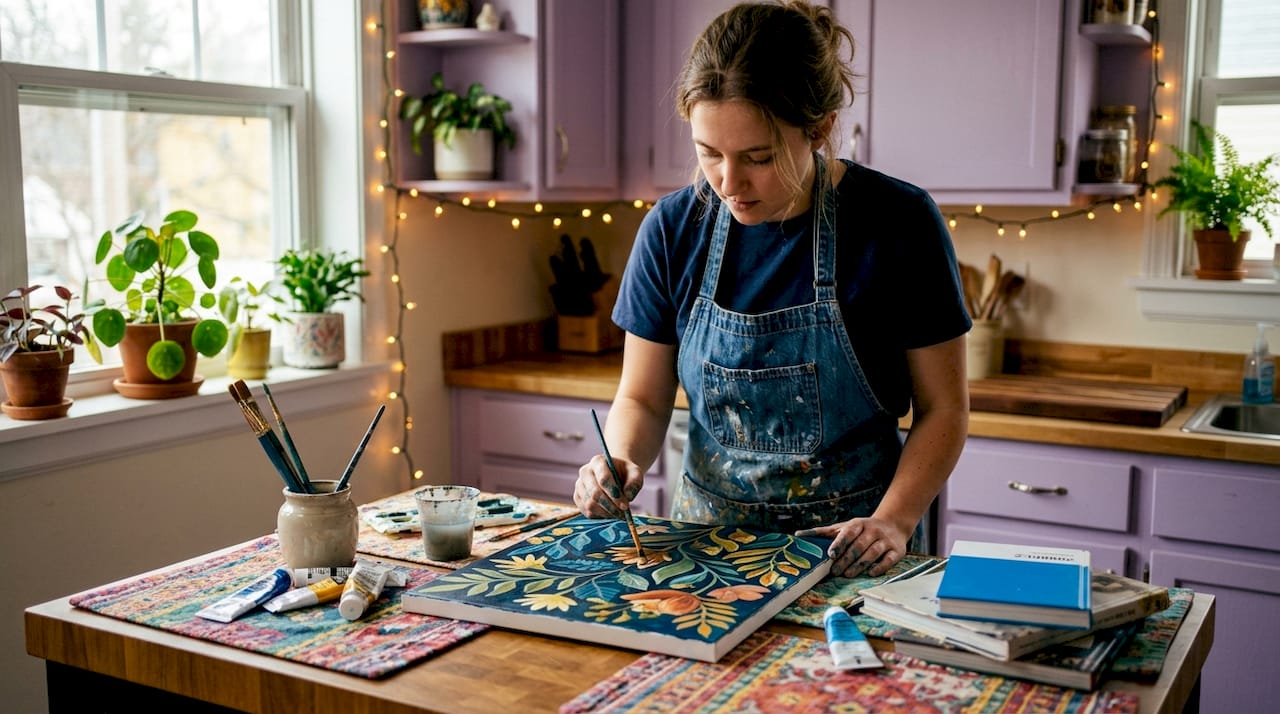
The most personal canvas art you will ever own is one you made. DIY nature projects often use rocks, sticks, and dried leaves to create high-impact wall art with minimal cost.
A few strong starting points:
- Leaf-print mandalas: press leaves flat, coat with acrylic paint, and stamp in a radial pattern. Avocado, birch, and fern leaves produce the clearest vein detail.
- 3D moss canvas: glue dried moss around the canvas edges using multiple adhesive layers, then seal with varnish to prevent shedding. The result has a woodland, almost fairytale quality.
- Found-object displays: hot-glue a piece of burl wood, a tree-ring slice, or a bundle of driftwood directly onto a white canvas. Add a handwritten quote along one side for a personal touch.
- Gradient sky painting: blend blue to pink across the canvas, then add black silhouette trees or birds once the base dries.
Applying adhesive in layers and finishing with a clear sealant keeps natural materials from shedding and extends the life of the piece significantly.
Pro Tip: When fresh leaves are out of season, faux greenery with visible veins produces nearly identical prints and works year-round without molding.
How Sensecanvas enhances the nature art experience
Sensecanvas offers over 15,000 unique canvas prints with prices starting from $85, covering everything from abstract ocean scenes to detailed wildlife portraits. The catalog is built around customization: buyers choose size, style, and design rather than accepting a fixed product.
What sets Sensecanvas apart in the nature category:
- Biophilic design integration: the collection is curated around biophilic principles, connecting indoor spaces to natural elements through wildlife motifs and layered textures
- Texture-forward options: pieces that replicate the depth of mixed-media work without the DIY effort
- Scale flexibility: from small botanical prints for a bathroom to large landscape panels for a living room feature wall
- Breadth of subjects: forests, animals, florals, and abstract nature forms all represented in one place
How to prepare your canvas and materials as a beginner
Starting from scratch is less intimidating than it looks. Follow these steps:
- Choose your canvas size. An 8x8-inch canvas suits a first project; it is manageable and easy to hang.
- Prime the surface. Apply one coat of gesso and let it dry fully. This prevents paint from soaking into the fabric unevenly.
- Gather natural materials. Collect leaves, small branches, or dried botanicals. Press leaves between paper for one to two days to keep them flat.
- Sketch a light guideline. Use a white pencil and ruler to mark the center or a simple grid. This keeps compositions balanced.
- Apply paint in thin layers. Acrylic paint works best: it dries fast, adheres well, and gives crisp prints when slightly thinned with water.
- Add texture or objects last. Glue natural elements after the painted base is fully dry. Seal everything with a matte or gloss varnish.
Choosing the right canvas size and placement for each room
Large canvases anchor living rooms and dining spaces. Place them at eye level, centered behind a sofa or above a credenza. Smaller pieces work better in bathrooms, hallways, and reading corners where a big canvas would overwhelm the wall.
Mixed-size sets balance a gallery wall naturally. Pair two larger anchor pieces with two smaller ones to create visual rhythm without symmetry that feels too rigid. Bedrooms benefit from horizontal formats that echo the width of the bed; vertical pieces suit narrow walls and hallways.
Using mixed media and texture to deepen nature themes
Texture is what separates a memorable canvas from a forgettable print. Layering moss, dried leaves, and paper cutouts adds visual and tactile depth that a flat image cannot replicate. You can also explore textural layering techniques to see how professionals build dimension into nature art.
Practical combinations worth trying:
- Watercolor wash base with pressed botanicals glued on top
- Palette knife impasto for bark or rock textures
- Torn paper collage layered under a painted forest scene
- Fabric or burlap embedded into the canvas surface before painting
How to personalize nature canvas art to fit your space
The fastest way to personalize is to start with your room’s existing color palette and work outward. Pull one or two dominant colors from your furniture or textiles, then find or create art that echoes them in a natural context. A room with navy accents pairs naturally with deep ocean or twilight forest prints.
Subject choice is equally personal. Wildlife art carries symbolic weight: owls suggest intuition, elephants convey strength, deer read as gentle and graceful. Choosing an animal that resonates with you adds a layer of meaning that purely decorative art rarely achieves. For botanical art, the species matters too: tropical leaves feel lush and warm, while spare fern prints lean cool and modern.
Key Takeaways
Nature themed canvas art spans landscapes, wildlife, and botanical subjects, and the right combination of style, size, and texture transforms any room.
| Point | Details |
|---|---|
| Theme variety | Landscapes, wildlife portraits, and botanical prints each suit different rooms and moods. |
| Style shapes mood | Realism, impressionism, and abstract styles create distinct atmospheres; match style to room purpose. |
| DIY is accessible | Leaf-print mandalas and moss canvases require minimal materials and no prior painting skills. |
| Size and placement matter | Large canvases anchor living rooms; smaller pieces work in hallways, bathrooms, and gallery walls. |
| Sensecanvas offers over 15,000 prints | Custom sizes and styles are available starting from $85, covering the full range of nature subjects. |